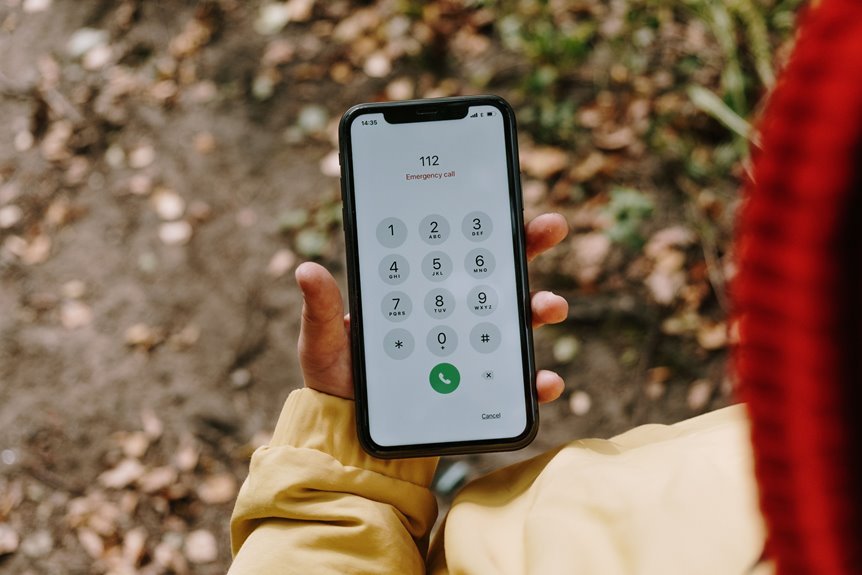
Practical ways to approach 360-626-5631 begin with identifying the call source and intent. Next, verify legitimacy and protect privacy using neutral checks. When handling voicemail, prioritize urgent requests and archive routine messages. Maintain concise, structured responses and document decisions for transparency. If nuisance calls arise, verify legitimacy before blocking and apply selective filtering. The framework aims to reduce clutter while preserving focused communication, but a careful step-by-step guide awaits those who seek a reliable path forward.
Identify the Call Source and Intent
To identify the call source and intent, determine who is contacting the organization and why they are calling.
The analysis distinguishes call source from call intent, guiding response strategies without assumptions.
Clear records support privacy protection while assessing legitimacy.
This approach preserves transparency, minimizes risk, and enables informed decisions, aligning with freedom-minded practices that value accurate, concise communication and verifiable information.
Verify Legitimacy and Protect Your Privacy
Verification of a caller’s legitimacy and safeguarding personal information are essential steps when handling 360-626-5631 inquiries. This section clarifies how to identify legitimacy, verify source, and assess intent before sharing data.
Practices emphasize protect privacy through minimal disclosure, neutral verification methods, and documented decisions.
An objective approach supports freedom by reducing risk and maintaining control over personal information.
Navigate Voicemail and Manage Messages Efficiently
Voicemail navigation and message management can streamline communications by organizing incoming data and prioritizing, archiving, and returning calls efficiently. The approach favors disciplined workflows: assess urgency, use call screening to filter distractions, and log messages for follow-up. Voicemail etiquette governs tone and clarity, ensuring concise replies. Structured tagging and periodic reviews reduce clutter, preserving freedom to focus on meaningful conversations.
Block Nuisance Calls and Reduce Future Interruptions
Blocking nuisance calls and reducing future interruptions builds on organized message handling by proactively limiting unwanted contact.
The approach defines a clear caller step sequence: identify numbers, verify legitimacy, and apply blocking rules.
A spam defense posture minimizes interruptions while preserving essential reach.
This method fosters freedom by restoring control, reducing fatigue, and enabling focused communication without intrusive distractions.
Frequently Asked Questions
How Can I Trace the Call to Its Origin Without Sharing Personal Data?
The technique is to trace origin by metadata analysis while practicing data minimization; use filtering devices and privacy settings to identify legitimate calls, avoiding exposure of personal data, and ensuring minimal sharing as trackable, non-invasive steps.
What Are Legal Steps to Report Prank or Scam Calls?
Practical reporting procedures propel principled protection: reporting procedures stabilize systems, scam reporting strengthens safeguards. The framework furnishes lawful steps for complaints, filing with authorities, preserving records, and pursuing penalties, empowering individuals seeking freedom from fraudulent, persistent prank calls.
Can I Filter Numbers on Specific Devices or Apps?
Yes, filtering is possible on various devices and apps. Filtering devices and app level controls enable targeted blocking, customization, and quick updates, empowering users to manage calls while maintaining autonomy and flexibility across platforms.
How Do I Recover Missed Legitimate Calls After Blocking?
A statistic shows 37% of users miss legitimate calls after filters. The answer outlines missed calls recovery and legitimate calls restoration, detailing steps to review blocked lists, adjust filters, and implement whitelisting for freedom-minded individuals.
What Privacy Settings Optimize Anonymous Inquiry Handling?
Privacy defaults favor minimal exposure, while data minimization and consent management govern handling. Call identification should be restricted; anonymous inquiries receive default safeguards. The approach balances transparency with freedom, ensuring privacy controls are clear and easily adjustable.
Conclusion
In sum, the process starts with identifying who is calling and why, then quickly verifies legitimacy while safeguarding privacy. Voicemail should be navigated with urgency in mind, routine messages archived, and decisions clearly documented to sustain transparency. When nuisance calls arise, verification takes precedence before blocking, paired with selective filtering and careful record-keeping. Taken together, these steps form a tight, efficient system—like threading a needle in a windstorm—minimizing interruptions while preserving respectful, privacy-conscious communication.